
PRIVATE YOGA

Almost a decade ago, I fell in love with the moving meditation of yoga.
It changed my relationship with my body, mind, and spirit forever. If you are seeking the same transformation, I will help you ignite that passion.
We will practice Power Vinyasa Yoga. This dynamic style of yoga is also commonly known as “flow,” as it involves smooth and conscious movement from one pose to another. Vinyasa incorporates breath, balance, strength and flexibility. It can be a challenging and powerful practice, taking you through multiple rounds of Sun Salutations, standing poses, arm balances and core exercises. Modifications can be made to accommodate all levels. Linking the breath to the movement is the focus of the practice.I will offer one-on-one attention which allows you to perfect your form in a shorter time. I will provide routines that are customized to your skill, flexibility and goal. I will cater to you, concentrate on what you need, whether that is targeted concentration on one or two movements, or a new set of poses to change up your routine.
Here are four reasons Vinyasa Flow yoga has changed me forever:
1. Chaturanga Arms
“Do you lift weights?”
“Nope. These are my Chaturanga arms.”
This is a likely conversation had among many yogis. Vinyasa yoga serves as strength training which builds lean muscle throughout the body. Yogis who get their flow on regularly (Hello, Madonna!) have great definition in their arms.
Chaturanga Dandasana or Four-Limbed Staff Pose in its full expression is, in fact, a push-up. As we flow through our Vinyasa, we are being mindful of form and breath, while also doing push-ups throughout our practice. This arm strength is good preparation for more challenging arm balances.
2. Music and Transcendence
The merging of yoga with music has led to some of the most transcendent yoga experiences of my life. The vibration of sound influences the emotions; when emotions enter the heart, the rate of our vibration shifts, helping to open our entire being.
Music can be a truly sacred part of yoga practice. Vinyasa Flow has helped me to understand the benefits of chants and words outside the body and how they penetrate more deeply within the body during our practice.
3. Grace in Motion
Vinyasa means “breath-synchronized movement.” It’s a series of poses that move through the power of our inhalations and exhalations.
Vinyasa movements are smooth, and as we flow using our breath as our guide, the practice becomes almost dance-like, which explains why it is sometimes referred to as Vinyasa Flow or just Flow Yoga.
Vinyasa has both physical and mental benefits. Physically, sweat releases toxins and re-energizes our bodies. Mentally, the synchronized breathing relaxes the chatter of the mind and helps to release any blockage of energy flow throughout our bodies.
4. Curiosity over Predictability
I love not knowing which sequence will await my body, mind, and spirit as I root myself down on my mat. For me, the Vinyasa Flow approach to yoga has allowed for deeper vulnerability and self-expansion.
Changing our minds, opening our hearts, and making space for change can often lead to greater self-awareness in our practice and in our lives.

Yoga teaches us about our bodies.
When we practice the physical postures or exercises (called asanas), we learn how to move more freely and with greater ease and awareness. These postures help our bodies become strong and flexible.
Yoga teaches us how to breathe better.
When we breathe deeply and fully (called pranayama) and become more aware, we can bring peacefulness or energy to our bodies.
Yoga teaches us how to use our energy more effectively.
When we practice yoga, we learn how to use the life force energy in our bodies (called prana) to feel more relaxed, focused, or motivated.
Yoga teaches us how to quiet the mind.
When we practice yoga, we learn how to be still. This helps us to listen with attention and make good decisions.
Yoga teaches us about balance.
When we practice yoga, we learn to be more aware about the need for balance in our lives. This could mean equal stretching on the left and right sides of our bodies or making sure we balance our very busy time with equal quiet time and relaxation.
Yoga teaches us to be the “boss” of our bodies.
Yoga teaches us to listen to our bodies by modifying or changing poses that are too hard or cause pain. (We will talk about how to modify poses in a later section.)
Yoga teaches us about taking care of ourselves.
Yoga is a great way to move our bodies and feel healthy. As with all forms of exercise, a good yoga practice can mean a good night’s sleep!
The important aspects of the power yoga method are summarized by the Five Pillars: breath, heat, flow, gaze, and core stabilization.
1. Breath
The primary pranayama used is ujjayi, which is associated with a strong vinyasa practice. In ujjayi breath, you tone or constrict the back of your throat (as you would when fogging up a mirror) as you inhale and exhale through your nose.
This takes some practice but soon become second nature. It has the effect of slowing down the breath to make keep it deep and powerful during challenging postures. When the breath becomes short and shallow, it can trigger the fight or flight panic reflexes in the body. Keep the breath long and deep helps you stay calm.
2. Heat
In official classes, the room should be heated to 90-95 degrees. This external heating of the room is intended to allow students to quickly stoke their internal fires (tapas) for a loose, sweaty practice.
3. Flow
Flow is vinyasa style practice in which movement is linked to breath. While there isn’t a fixed series of poses in power yoga, there is a pattern that most classes follow.
4. Gaze
Drishti means looking at a particular place while doing yoga poses. It is an important part of Ashtanga yoga, where drishtis are taught as part of the alignment for each pose. In power yoga, the gaze is not specific for each posture. Instead, students are directed to fix their attention on any point that doesn’t move and to keep their eyes soft as a way to turn their attention away from what’s going on externally in the room around them and bring their focus inward.
5. Core Stabilization
Core stabilization is uddiyana bandha. This means the constant drawing in of the belly button toward the spine.. It is intended to provide support by engaging the core for balance and strength.
To best serve my clients and to give each client the personal attention they deserve,
I accept a limited number of motivated girlfriends each month.
Fill out the Application below to start a conversation!
Thank you for taking the time to answer some questions about yourself!
Once you submit this form, I will touch base with you to schedule our FREE Discovery Session.
I look forward to chatting with you soon!
ALEX xo
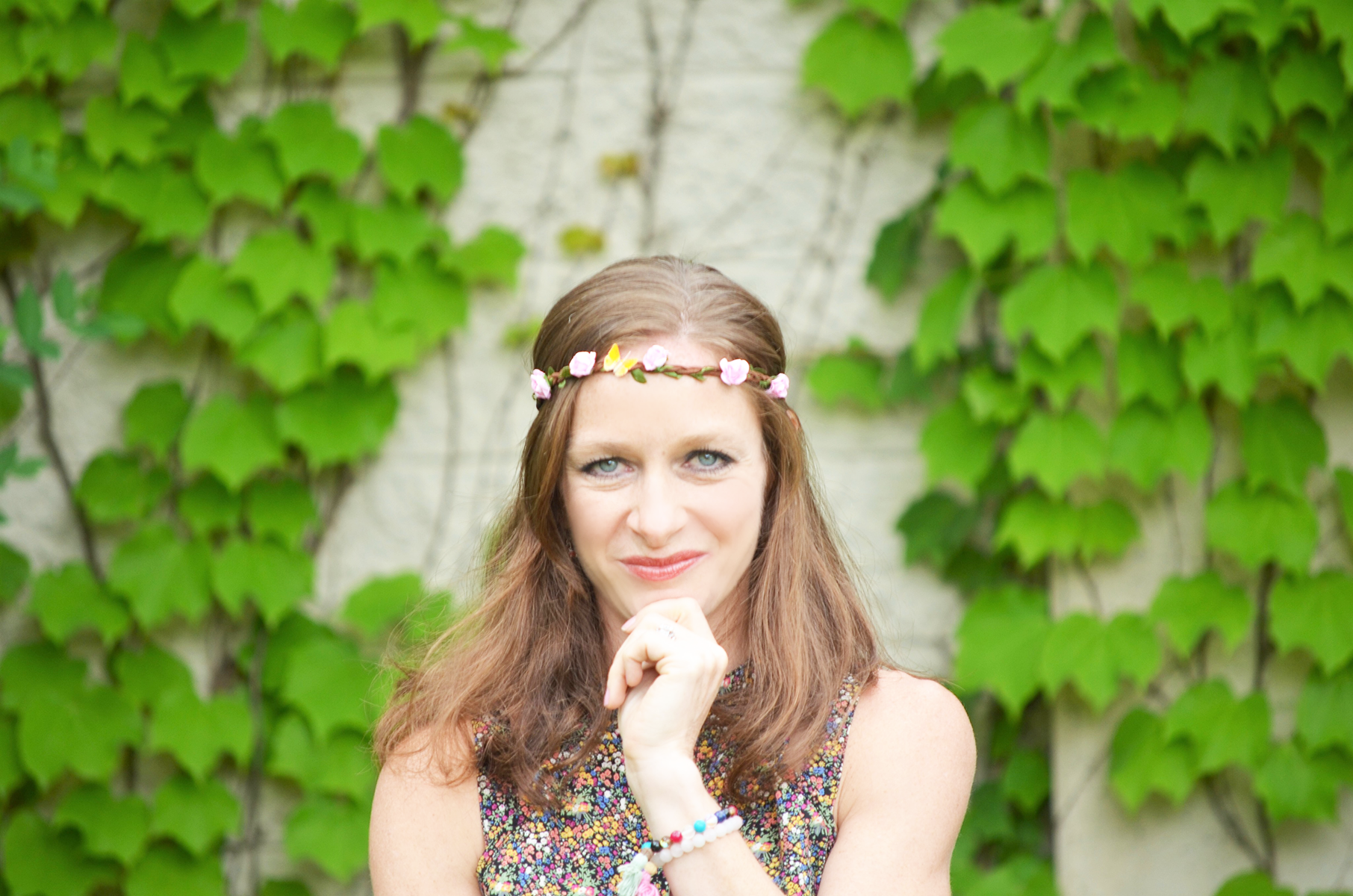
Alex Rimmele, MPH, BS, E-RYT 200, RYT-500 is a registered Yoga Teacher with Yoga Alliance. She earned a Master of Public Health degree at Roosevelt University and a bachelor degree at Loyola University. Along with pioneering the ‘Girlfriends Guide To Wellness,’ Alex currently works at CorePower Yoga and Yoga By Degrees, Chicago.
FOLLOW ALONG

We’re pretty sure you’ll love perusing the squares, so why not follow us for more daily inspiration, motivation, and girlfriends fun!
Error: No feed found.
Please go to the Instagram Feed settings page to create a feed.
GET ON THE LIST
You definitely want to sign up to become a member & an exclusive GFM (Girlfriend Motivator). You’ll get access to the best community + our monthly Girlfriend Updates. No one likes to leave a Girlfriend behind.


course, coaching, + events